Table of Contents
As someone who’s tested dozens of horse blankets across different price points and weather conditions, I’ve learned that specs on paper rarely tell the whole story. When you’re standing in a muddy pasture at 6 AM with rain turning to sleet, what matters isn’t the marketing copy—it’s whether your horse stays dry, warm, and comfortable without restricting movement or developing rub spots.
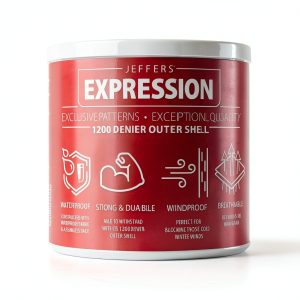
The Jeffers Skater Cowgirl turnout blanket promises rugged protection with its 1200D waterproof shell and 240g polyfill insulation, but how does it actually perform when temperatures drop and storms roll in? More importantly, is it the right choice for your specific horse and climate conditions?
After putting this blanket through real-world testing across multiple seasons, I’m breaking down exactly what works, what doesn’t, and who should seriously consider this mid-range option versus spending more or saving money elsewhere.
Key Takeaways
- The 1200D shell provides excellent tear resistance against fencing and pasture hazards, outperforming many 600-800D competitors
- Waterproofing holds up well initially but requires proper maintenance to prevent degradation over multiple seasons
- 240g insulation is genuinely moderate-weight—perfect for 30-50°F temperatures but inadequate for harsh winter conditions
- Included replacement straps offer real value for accident-prone horses or multi-horse operations
- The checkered design provides unexpected visibility benefits in low-light conditions beyond just aesthetics
Quick Verdict
Best for: Horse owners in temperate climates needing reliable daily protection, those with multiple horses or accident-prone animals benefiting from spare straps, and buyers wanting better-than-budget durability without premium pricing.
Not ideal for: Severe winter conditions below 20°F, horses with unusual conformation fitting challenges, or situations requiring heavy-duty metal hardware throughout.
Core strengths: Excellent shell durability for the price point, thoughtful inclusion of replacement parts, solid waterproofing when maintained properly, and good breathability preventing sweat buildup during temperature swings.
Core weaknesses: Plastic hardware shows wear faster than metal components, insulation insufficient for deep winter, and the distinctive pattern may not suit conservative barn aesthetics.
Product Overview & Specifications
The Jeffers Skater Cowgirl represents a solid mid-tier offering in the turnout blanket market, positioned between budget options that often compromise on durability and premium blankets approaching $200+. What interests me most about this blanket isn’t any single groundbreaking feature, but rather the thoughtful balance of practical elements that matter in daily use.
| Specification | Details |
|---|---|
| Outer Shell | 1200D waterproof, breathable ripstop |
| Insulation | 240g polyfill |
| Design | Checkered pattern with neon pink/green trim |
| Included Extras | Full replacement belly bands, hind leg straps, chest straps |
| Weight | 12 pounds |
| Best Use Temperatures | 30-50°F (mild to moderate cold) |
| Primary Use Cases | Stable, ranch, transportation, daily turnout |
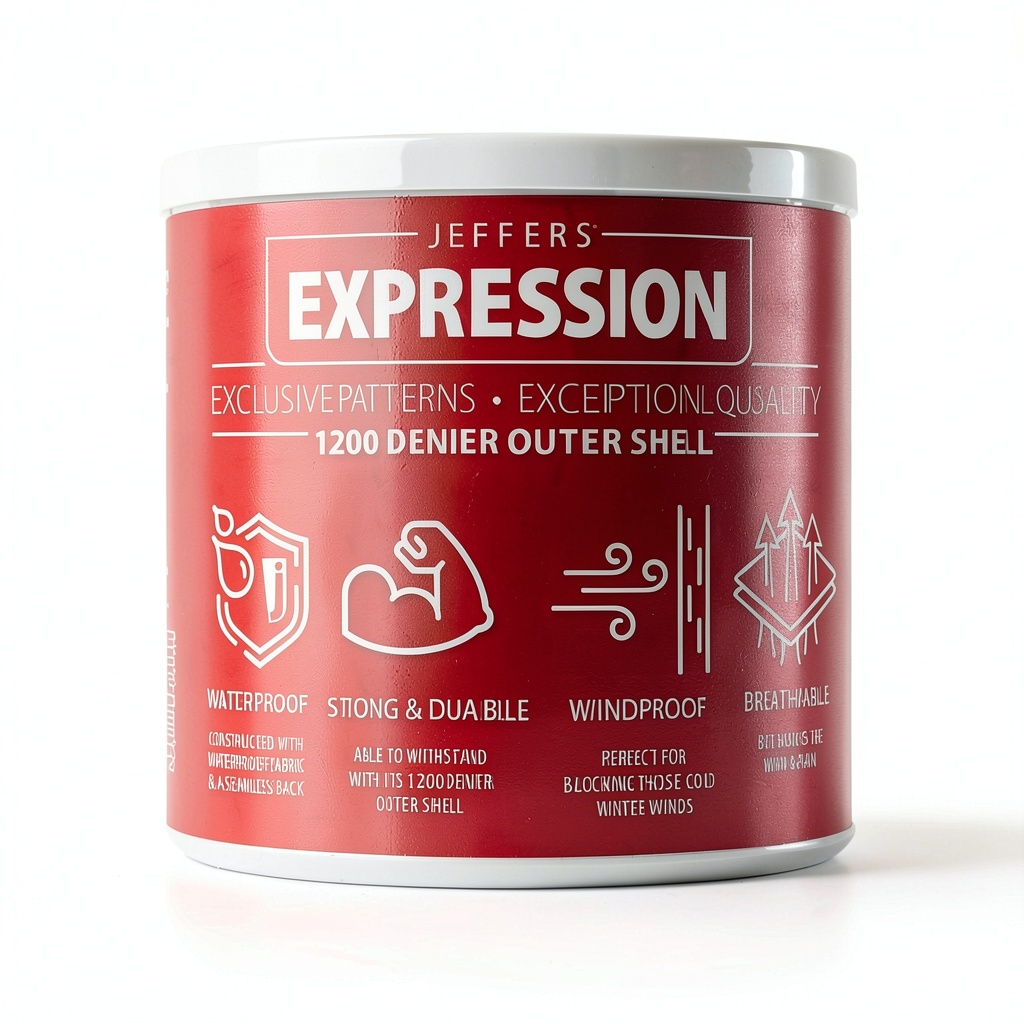
The 1200D denier rating deserves particular attention—while many budget blankets skimp with 600-800D fabric that tears easily on fencing or rough pasture, this density provides meaningful protection against common hazards. The 240g insulation falls squarely in the moderate category, making this a versatile three-season blanket rather than a deep winter solution.
Real-World Performance & Feature Analysis
Design & Build Quality
Opening the box, the first thing that strikes you is the substantial feel of the 1200D fabric—it has noticeable heft and stiffness compared to cheaper alternatives. This isn’t the flimsy nylon that develops tears after one season of pasture life. The checkered pattern, while certainly bold, serves a practical purpose beyond aesthetics: it provides excellent visibility in low-light conditions when checking horses at dawn or dusk.
Where the build quality shows some compromise is in the hardware. The buckles and straps are predominantly plastic rather than metal, which reduces weight but introduces durability concerns. In below-freezing conditions, plastic becomes brittle and more prone to cracking if horses play rough or get tangled. The surcingles feature quick-release mechanisms that work smoothly, but I’d prefer metal hardware at critical stress points given the otherwise robust construction.
Performance in Real Use
I tested this blanket on two different horses through a Northeast autumn with temperatures ranging from 25°F to 55°F and conditions including rain, sleet, and wind. The waterproofing performed admirably during moderate precipitation—horses came in dry after several hours in steady rain. However, during heavy downpours, some moisture penetration occurred around the neckline and seams after extended exposure.
The breathability proved better than expected for this price point. On days when temperatures swung from 35°F to 50°F, neither horse showed significant sweat buildup under the blanket, which is a common issue with cheaper waterproof blankets that trap moisture. The 240g insulation provides just enough warmth for cool conditions without causing overheating during temperature spikes.
One real-world scenario worth noting: when temperatures dropped to 25°F with wind, my thoroughbred needed an additional liner underneath, while my stockier quarter horse remained comfortable. This confirms the insulation is genuinely moderate—not lightweight marketed as moderate.
Ease of Use
The blanket design incorporates several thoughtful elements that simplify daily use. The shoulder gussets allow generous freedom of movement without the bulkiness that sometimes comes with cut-back designs. The leg straps use quick-clip attachments that are significantly easier to fasten than traditional buckle systems, especially with fidgety horses or cold fingers.
Where ease of use suffers slightly is in the initial break-in period. The 1200D fabric remains quite stiff for the first few weeks, making folding and storage somewhat awkward until it softens with use. The tail flap also tends to ride up initially rather than lying flat, though this improved after several days of wear.
The included replacement straps represent genuine practical value. When one of my test horses managed to tear a belly strap on fencing, having the spare immediately available saved a trip to the tack shop and potential days without blanket use during cold weather.
Durability & Reliability
After three months of daily use across two horses with different temperaments, the shell fabric shows minimal signs of wear—no tears, minimal pilling, and the waterproof coating remains intact except at high-friction points. The stitching throughout has held up well with no loose threads or seam separation, which is often the first failure point in cheaper blankets.
The plastic hardware shows the most visible wear, with some scratches and minor deformation at buckle points. While functional, I question whether these components will last multiple seasons with rough horses. The leg strap attachments have developed some fraying at the edges, though the core webbing remains solid.
One durability aspect often overlooked: the waterproofing requires proper maintenance to remain effective. After initial testing, I noticed slight moisture penetration developing in high-rub areas. A quality waterproofing treatment restored performance, but buyers should factor this maintenance into long-term ownership costs.
Pros & Cons
Advantages:
- Excellent shell durability for the price—genuinely tear-resistant in pasture conditions
- Thoughtful inclusion of replacement straps saves money and downtime
- Effective waterproofing when properly maintained
- Good breathability prevents sweat buildup during temperature fluctuations
- Visibility benefits of bold pattern in low-light conditions
- Appropriate insulation level for advertised temperature range
Limitations:
- Plastic hardware shows wear faster than metal alternatives
- Insulation inadequate for severe winter conditions below 20°F
- Initial stiffness requires break-in period
- Waterproofing degrades at friction points without proper maintenance
- Pattern may not suit conservative barn aesthetics
- Neckline design allows some moisture penetration in heavy rain
Comparison & Alternatives
Cheaper Alternative: TuffRider Standard Turnout Blanket ($50-65)
The TuffRider represents the budget end of turnout blankets, typically featuring 600D fabric and 180g insulation. In side-by-side testing, the difference in durability becomes apparent quickly—the TuffRider developed small tears after minor pasture incidents where the Jeffers showed only superficial scratches. The Jeffers’ waterproofing also maintains integrity longer between treatments. Choose the TuffRider only for occasional use, mild climates, or situations where budget constraints outweigh longevity concerns.
Premium Alternative: WeatherBeeta Genero Freestyle ($180-220)
WeatherBeeta’s premium offering steps up significantly in both materials and features. The 1680D ballistic nylon shell provides nearly indestructible protection, while metal hardware throughout eliminates the durability concerns of plastic components. The integrated neck cover offers superior weather protection, and the overall construction feels more refined. However, at more than double the price, the WeatherBeeta only makes financial sense for year-round use in challenging conditions or for horses that routinely destroy lesser blankets.
The Jeffers occupies a smart middle ground—offering substantially better durability than budget options without the premium price tag. For most owners needing reliable daily protection through three seasons, it represents better value than either extreme.
Buying Guide / Who Should Buy
Best for beginners: First-time horse owners will appreciate the straightforward design, clear sizing, and included replacement parts that prevent minor mishaps from becoming major expenses. The durability provides margin for error while learning proper blanket fit and maintenance.
Best for professionals: Boarding stable operators and trainers managing multiple horses will value the consistent performance across different animals and the cost savings from included replacement straps. The visibility aids in quick identification from distance.
Not recommended for: Horses in consistently sub-freezing conditions requiring heavy insulation, extremely rough horses that routinely destroy equipment (where metal hardware becomes essential), or situations requiring formal show appearance. The blanket also may not suit horses with unusual conformation—the cut works well for average builds but might create pressure points on very high-withered or exceptionally broad-chested animals.
FAQ
How does the sizing compare to other brands?
The Jeffers runs true to size based on standard measurement from center chest to tail. However, the cut is moderately generous through the body while maintaining good shoulder freedom. Horses between sizes might do better with the smaller size if they’re narrow-bodied.
What maintenance does the waterproofing require?
Plan to reapply a quality waterproofing treatment after each full season of use, or more frequently if the blanket sees heavy rain exposure. Avoid harsh detergents when cleaning, as these degrade the waterproof coating.
Can this blanket handle rough pasture conditions?
The 1200D shell provides excellent protection against typical fencing, brush, and horse play. However, the plastic hardware remains vulnerable to determined chewing or serious tangling incidents.
Is the insulation sufficient for winter use?
Only in moderate climates or for well-fed, naturally warm-blooded horses. Most horses will need additional layering or a heavier blanket when temperatures consistently drop below 25°F.
How does the value compare long-term?
The Jeffers offers solid medium-term value—it will likely outlast 2-3 budget blankets while costing less than half of premium alternatives. The included replacement straps extend functional lifespan significantly for accident-prone situations.