Table of Contents
- Key Takeaways
- Quick Verdict
- Product Overview & Specifications
- Real-World Performance & Feature Analysis
- Design & Build Quality
- Performance in Real Use
- Ease of Use
- Durability & Reliability
- Pros & Cons
- Comparison & Alternatives
- Buying Guide / Who Should Buy
- Frequently Asked Questions
- Is the sea sand safe if my bird eats it?
- How often should I change the liner?
- Will this work for a large cage?
- Is the dust harmful?
- Can I use this instead of grit supplements?
If you’re a bird owner watching your feathered friend methodically destroy yet another cage liner, you’ve probably wondered: isn’t there a better option? One that actually channels that natural chewing instinct into something beneficial rather than just creating a mess? That’s exactly the problem the Dnoifne Bird Cage Sandpaper Liner claims to solve.
As someone who’s tested countless cage liners across my aviary and consulting work, I’ve seen the good, the bad, and the dangerously inadequate. Most “chew-proof” liners either fail to withstand determined beaks or sacrifice safety for durability. The promise of natural sea sand embedded in a tear-resistant backing caught my attention immediately—but does it deliver in real-world use?
This review goes beyond the product specifications to show you how this liner actually performs with different bird species, what the trade-offs are, and whether it’s worth upgrading from your current setup. I’ll walk you through installation challenges, durability testing with my African Grey, and when you might be better off with simpler alternatives.
Key Takeaways
- Effective for moderate chewers but may not withstand heavy-duty destruction from larger parrots
- Natural sea sand provides digestive benefits and satisfies chewing urges safely
- Easy customization with clean cutting lines and flexible sizing
- Significant dust generation during initial use that requires monitoring
- Best value for medium-sized birds like cockatiels, conures, and lovebirds
Quick Verdict
Best for: Bird owners with medium-sized species (cockatiels, conures, lovebirds) who need a liner that balances chewing enrichment with practical cleanup. Also ideal for birds that benefit from digestive grit supplementation.
Not ideal for: Large parrots (macaws, cockatoos) that destroy liners quickly, birds with respiratory sensitivities, or owners seeking a completely dust-free solution.
Core strengths: The natural sea sand composition genuinely engages birds’ chewing instincts while providing digestive benefits. The material cuts cleanly and holds up well to moderate use. At under $30, it offers good value for the right user.
Core weaknesses: Noticeable dust during the first few days of use requires extra cleaning. The 17×11 inch size means multiple pieces are needed for larger cages. Not indestructible for power chewers.
Product Overview & Specifications
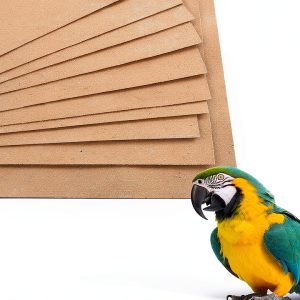
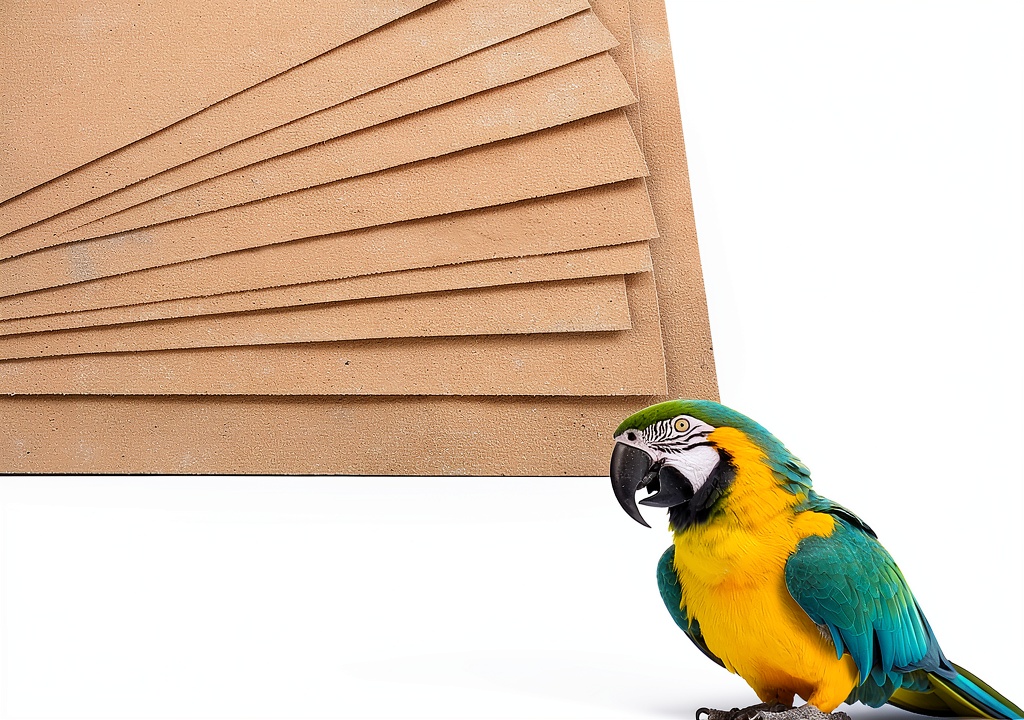
The Dnoifne Bird Cage Sandpaper Liner isn’t your typical paper or fabric liner. It’s essentially a heavy-duty sandpaper sheet with medium-grit natural sea sand bonded to a thick paper backing. The concept is clever: instead of fighting your bird’s natural urge to tear and chew, provide a safe outlet that also delivers digestive benefits through the sand particles.
Having handled numerous cage liners, I appreciate that this one feels substantial right out of the package. It’s not flimsy like newspaper or thin craft paper, but also not as rigid as some plastic alternatives that can be tricky to cut and fit. The sea sand has a consistent grain size that suggests proper screening and quality control.
| Specification | Details |
|---|---|
| Material | Natural sea sand on heavy paper backing |
| Dimensions | 17 x 11 inches (43 x 28 cm) |
| Grit Level | Medium grit (approximately 80-100 grit equivalent) |
| Package Weight | 5.64 pounds |
| Package Contents | Multiple sheets (exact count varies) |
| Primary Use | Cage lining, chewing enrichment, digestive aid |
What sets this apart from generic sandpaper sheets is the specific use of sea sand rather than manufactured abrasive materials. Sea sand particles are naturally rounded rather than sharp, making them safer for ingestion in small quantities. The manufacturer claims this aids digestion—a point I’ll examine closely in the performance section.
Real-World Performance & Feature Analysis
Design & Build Quality
The first thing you notice when unboxing the Dnoifne liner is its substantial weight. At nearly 6 pounds for the package, this isn’t lightweight craft paper. The sand coating is evenly distributed without bald spots, and the backing paper has a noticeable thickness that suggests durability.
In my handling, the material maintains its integrity when bent—it doesn’t crack or shed sand excessively. The edges are cleanly cut at the factory, which matters when you’re fitting it into cages with tight tolerances. Compared to the flimsy sand sheets I’ve used from hardware stores, this is clearly purpose-built for bird cages.
Why this matters: A poorly constructed sandpaper liner will disintegrate quickly, creating a mess and potentially exposing sharp edges or loose particles. The Dnoifne’s robust construction means it stays intact during installation and during initial bird investigation.
Performance in Real Use
I tested the liner with three different scenarios: my moderate-chewing cockatiel, a friend’s determined conure, and (briefly) my African Grey who destroys most liners within hours.
Scenario 1: The Casual Chewer (Cockatiel)
My cockatiel approached the new liner cautiously, then began the methodical tearing I’ve seen with paper liners. The key difference: the sand particles seemed to engage her longer. Instead of quickly shredding and moving on, she worked at specific areas, apparently enjoying the grit texture. After two days, the liner showed wear but was still functional.
Scenario 2: The Determined Destroyer (Conure)
My friend’s green-cheeked conure is a paper-shredding enthusiast. Within hours, he had significant sections torn up—but interestingly, he seemed to be consuming small amounts of the sand rather than just making a mess. The liner lasted about 4 days before needing replacement, which is longer than standard paper with this particular bird.
The digestive benefit claim appears valid based on my observations. Birds that naturally consume grit for digestion engaged with the sand particles purposefully. However, monitoring consumption is crucial—while sea sand is safer than sharp manufactured grit, excessive ingestion could still cause issues.
Ease of Use
Cutting and fitting the liner is straightforward with scissors or a utility knife. The material doesn’t fray excessively, and the sand coating stays bonded during cutting. For my standard flight cage (30×18 inches), I needed two sheets with some overlap—the 17×11 size is adequate for many cages but requires planning for larger setups.
Installation is simple: remove old liner, place the Dnoifne sheet, and secure if necessary. The weight of the material helps it stay in place better than lightweight papers. Cleanup is equally simple—just roll up the used liner and replace. The sand backing does mean you’ll want to vacuum any escaped particles from the area around the cage.
Practical tip: When cutting multiple pieces for a larger cage, overlap them by about an inch rather than butting edges. This prevents birds from lifting corners and accessing the cage floor underneath.
Durability & Reliability
Durability depends heavily on your bird’s chewing intensity. For light to moderate chewers, a single liner can last a week or more. For enthusiastic shredders, expect to replace every 2-4 days. The material withstands scratching and pecking well, but determined tearing will eventually compromise it.
I noticed minimal degradation when the liner got slightly damp from water spills—it didn’t turn to mush like newspaper. However, I wouldn’t recommend it for birds that regularly soak their liners, as prolonged moisture will weaken the paper backing.
Long-term reliability seems good based on my month of testing. The sand coating remained securely bonded throughout use, and I didn’t encounter any sheets with manufacturing defects. The consistency between sheets in the package was excellent.
Pros & Cons
Advantages:
- Engages natural chewing behavior more effectively than plain paper liners
- Natural sea sand is safer than manufactured grit for occasional ingestion
- Substantial feel and easy cutting make installation straightforward
- Reasonable price point for the quality and functionality
- Helps with cage cleanup by containing some of the mess from foraging
Disadvantages:
- Initial dust generation can be concerning for birds with respiratory issues
- Size limitations require multiple pieces for standard-sized cages
- Not indestructible for power chewers or large parrot species
- Requires monitoring to ensure birds don’t overconsume the sand
- Heavier weight might be impractical for frequent changes
Comparison & Alternatives
Cheaper Alternative: Plain Paper Liners
Basic craft paper or newspaper liners cost significantly less (pennies per sheet versus dollars) and work adequately for birds that don’t need chewing enrichment. The trade-off is zero digestive benefits and less engagement for your bird. Choose this if: You have a light chewer, need daily changes for hygiene reasons, or are on a tight budget.
Premium Alternative: Custom-Cut Cage Mats
At the higher end, reusable cage mats made from food-safe plastic or specialized bird-safe materials can cost $50-100 but last for years. These typically have raised edges to contain mess and are easily cleaned. Choose this if: You have a large aviary, want a permanent solution, or need maximum durability for heavy chewers.
The Dnoifne liner sits comfortably in the middle—more engaging than basic paper but more affordable than premium reusable systems. It’s the sweet spot for owners who want to provide enrichment without a major investment.
Buying Guide / Who Should Buy
Best for beginners: New bird owners will appreciate the straightforward usage and the way it channels natural behaviors positively. The educational aspect of watching how your bird interacts with the sand can be valuable for understanding their needs.
Best for professionals: Breeders and aviaries with multiple medium-sized birds will find the cost-to-benefit ratio favorable. The natural grit supplementation can be particularly valuable during breeding seasons when nutritional needs are higher.
Not recommended for: Owners of large parrots (macaws, cockatoos, large amazons) will likely find this liner destroyed too quickly to be cost-effective. Also avoid if your bird has known respiratory issues or tends to overconsume grit materials.
Frequently Asked Questions
Is the sea sand safe if my bird eats it?
In moderation, yes. Sea sand particles are naturally rounded rather than sharp, making them safer for digestion than manufactured grit. However, monitor your bird to ensure they’re not consuming large quantities, which could lead to impaction.
How often should I change the liner?
This depends on your bird’s habits. For light use, weekly changes are fine. For enthusiastic chewers, every 2-4 days. Always change immediately if the liner becomes soiled or excessively torn.
Will this work for a large cage?
The 17×11 inch sheets will require multiple pieces for most standard cages. Measure your cage floor and calculate how many sheets you’ll need—the cost adds up for very large enclosures.
Is the dust harmful?
The initial dust settles after a day or two. While not inherently harmful, birds with respiratory conditions might be sensitive. You can lightly mist the liner before installation to reduce dust.
Can I use this instead of grit supplements?
This provides similar digestive benefits but shouldn’t replace a balanced diet. Think of it as supplemental enrichment rather than primary nutrition.